

How Authors Turn LinkedIn Into a Book Marketing Machine
The book selling playbook you’ve been overlooking


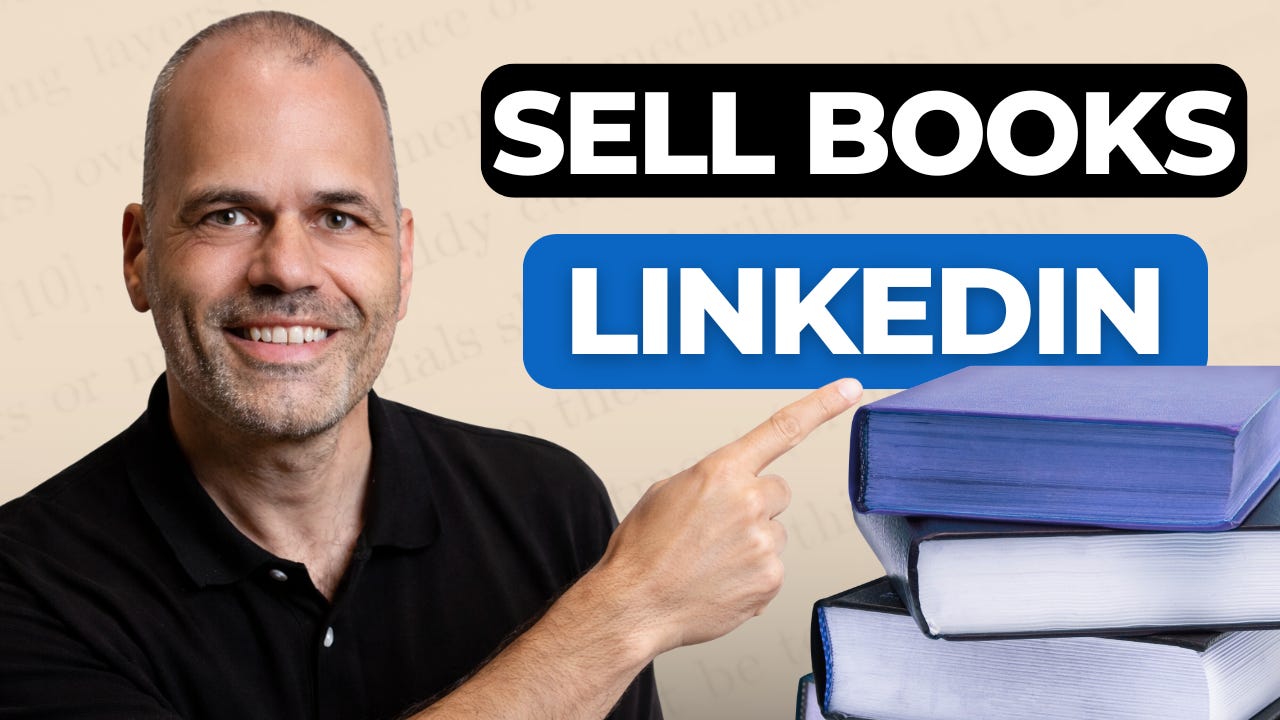
Day 4 of the LinkedIn–Substack Flywheel Bootcamp was on fire.
Author, Senior Partner Manager at ActiveCampaign and 🟠Online Writing Club member Gunnar Habitz joined the session like a rockstar and showed how he’s building a simple growth loop between LinkedIn and Substack.
Inspired by the conversation with LinkedIn pro Melanie Goodman, the 50 bootcampers and 5 rockstar guests, he then shared a post that every author should read.
Because most writers still underestimate LinkedIn, have dormant accounts and simply snoooooze on the most trusted platform on the internet with 1.3 billion users and potential readers.
When I ran my first workshop about LinkedIn for Authors in Sydney a couple of years ago, many writers dismissed the idea.
In their view LinkedIn was rather a place for recruiters and corporate professionals, not for poets and storytellers.
Gratefully things have changed: Publishing has become easier, audiences are everywhere, and content creators dominate the LinkedIn feed. And yet, attention is harder to earn than ever (not only due to algorithm changes).
Most authors already have something incredibly valuable: a professional network built over years.
That network might not buy your book directly but it can open doors, amplify your message, and help your story travel far beyond the bookshelf.
LinkedIn is our personal brand where credibility lives. When done right, it turns your expertise or personal story into something discoverable and shareable with built-in trust.
📣 Seven Ways to Make LinkedIn Work for Your Book
Here is the practical framework I’ve used across my own titles from my initial business book Connect & Act to my recent personal development book Happy Habits. Basically those are the elements I teach other authors looking to launch and grow their audience.
1️⃣ Choose the Right Moment
Don’t announce your book too early (“I’m going to write a book!”) before you’re sure it’s real.
This is a play on my first name: in Australia they say “a gonna is someone who says they gonna do - and never do”. Don’t be that person.
Better wait until the writing is underway or the manuscript is in editing when momentum is visible.
Then start compile your progress: behind-the-scenes posts, milestone updates or “coming soon” visuals.
If your topic differs from your day job (like my Happy Habits book vs. my SaaS role), post about it on weekends or outside business hours. It keeps your feed authentic without confusing your professional audience.
2️⃣ Involve Your Network Early
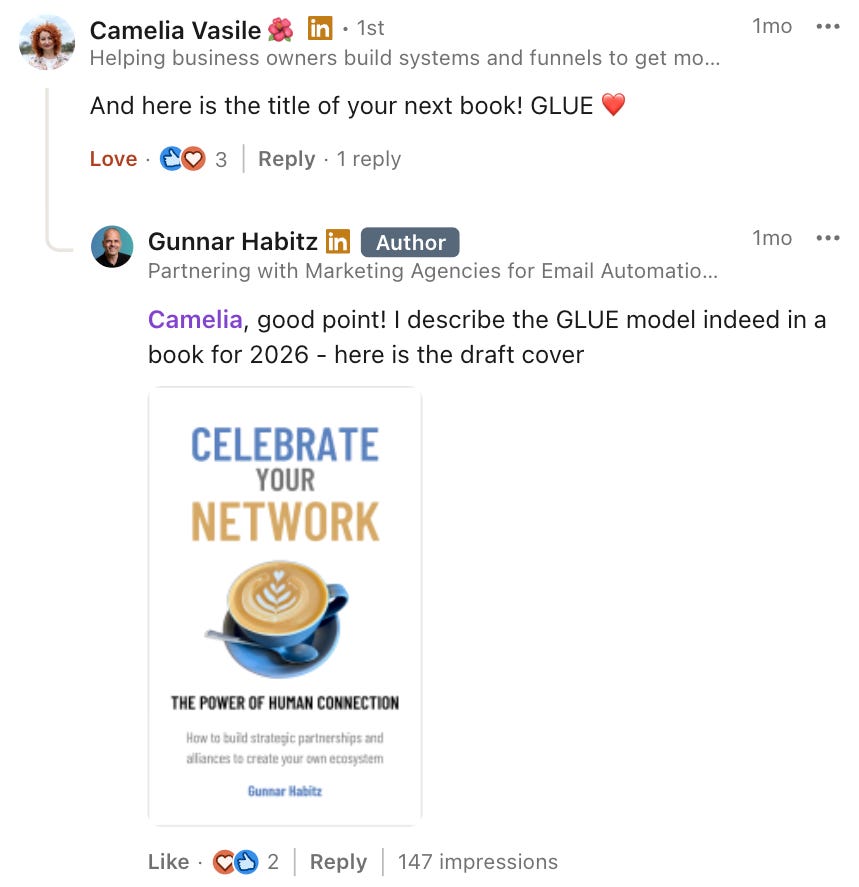
LinkedIn is full of potential pre-readers and endorsers such as people who know you well enough to care, but not so well that they give the feedback you expect from family and friends.
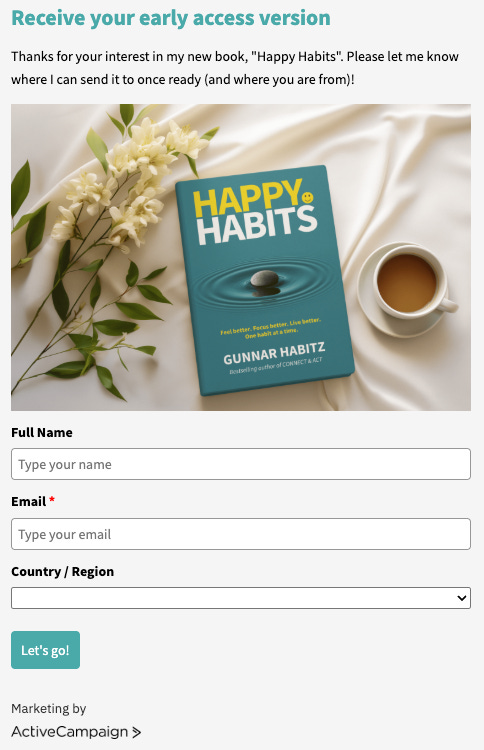
Offer early access versions (“Advanced Reader Copies”, ARC) and invite their input. You will gain both useful testimonials and genuine advocates who will surely help amplify your launch.
You can post that request on LinkedIn and use email marketing software to gather their contribution.
3️⃣ Build in Public in a Smart Way
Create curiosity before launch:
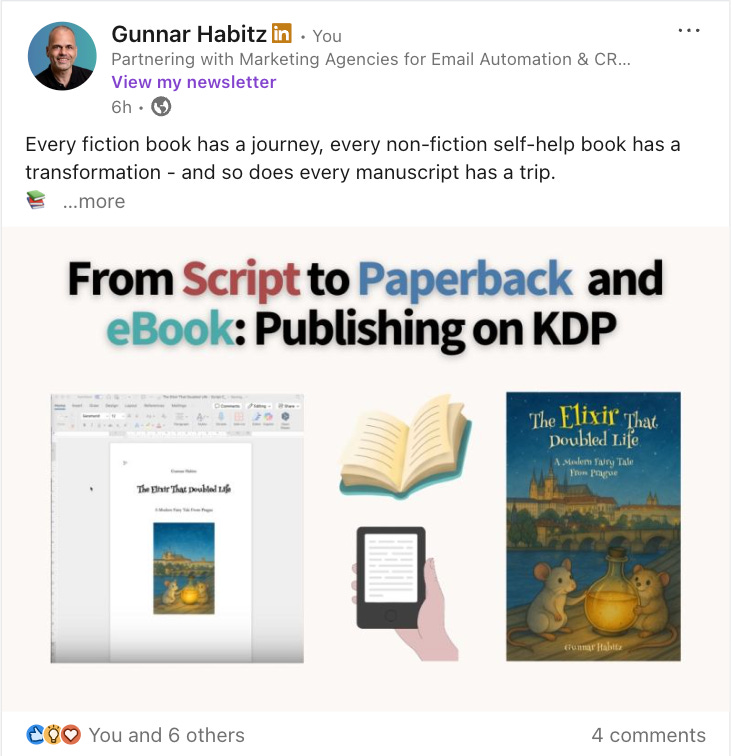
Post a poll asking feedback on a current project
Share design snippets or cover mockups
Announce a LinkedIn Event for your book launch
Post stories about lessons learned while writing
Tag contributors, editors or interviewees carefully so that they will reshare your posts and create the earned media effect that money can’t buy.
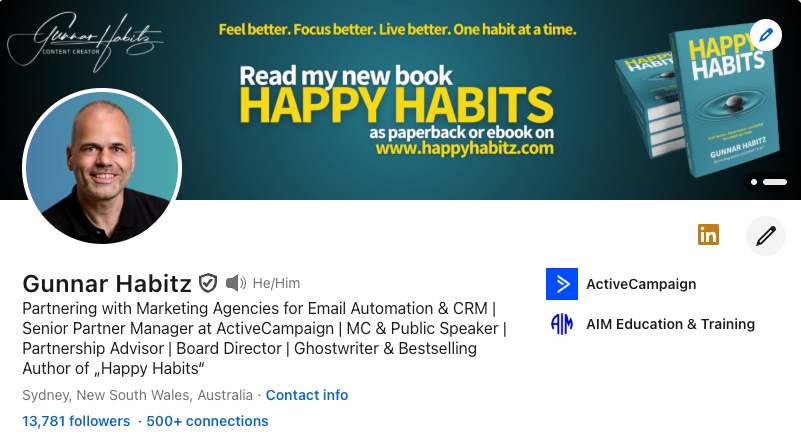
4️⃣ Optimise Your LinkedIn Profile
Treat your profile as your silent conversion layer. The first part of your headline is visible below your name in every comment.
Your book cover and link
Launch event photos
Media mentions or interviews
Every comment you make quietly promotes your author identity.
5️⃣ Engage Like a Pro
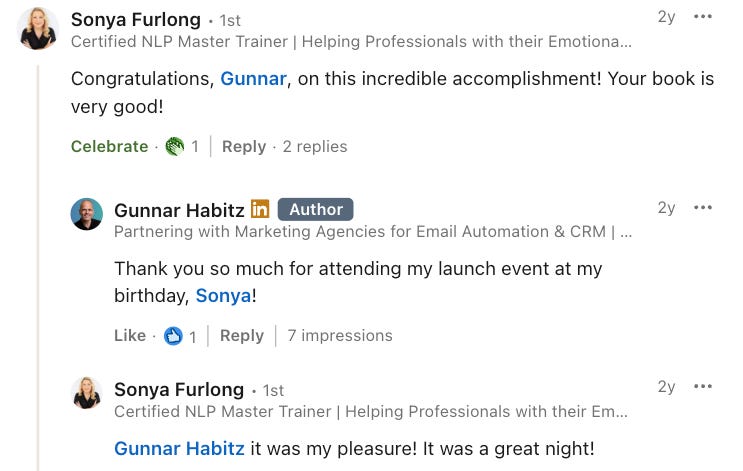
Don’t just post and ghost! Better to respond right. You can create time blocks in your diary to avoid work preventing the quick response your content deserves.
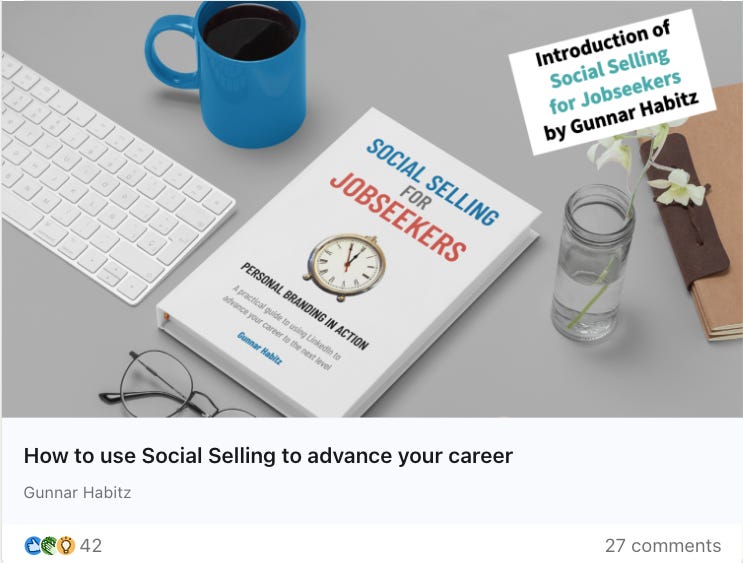
6️⃣ Use the LinkedIn Newsletter
LinkedIn’s built-in newsletter is a discovery tool, not a competitor to Substack or a series email marketing platform (my favourite is
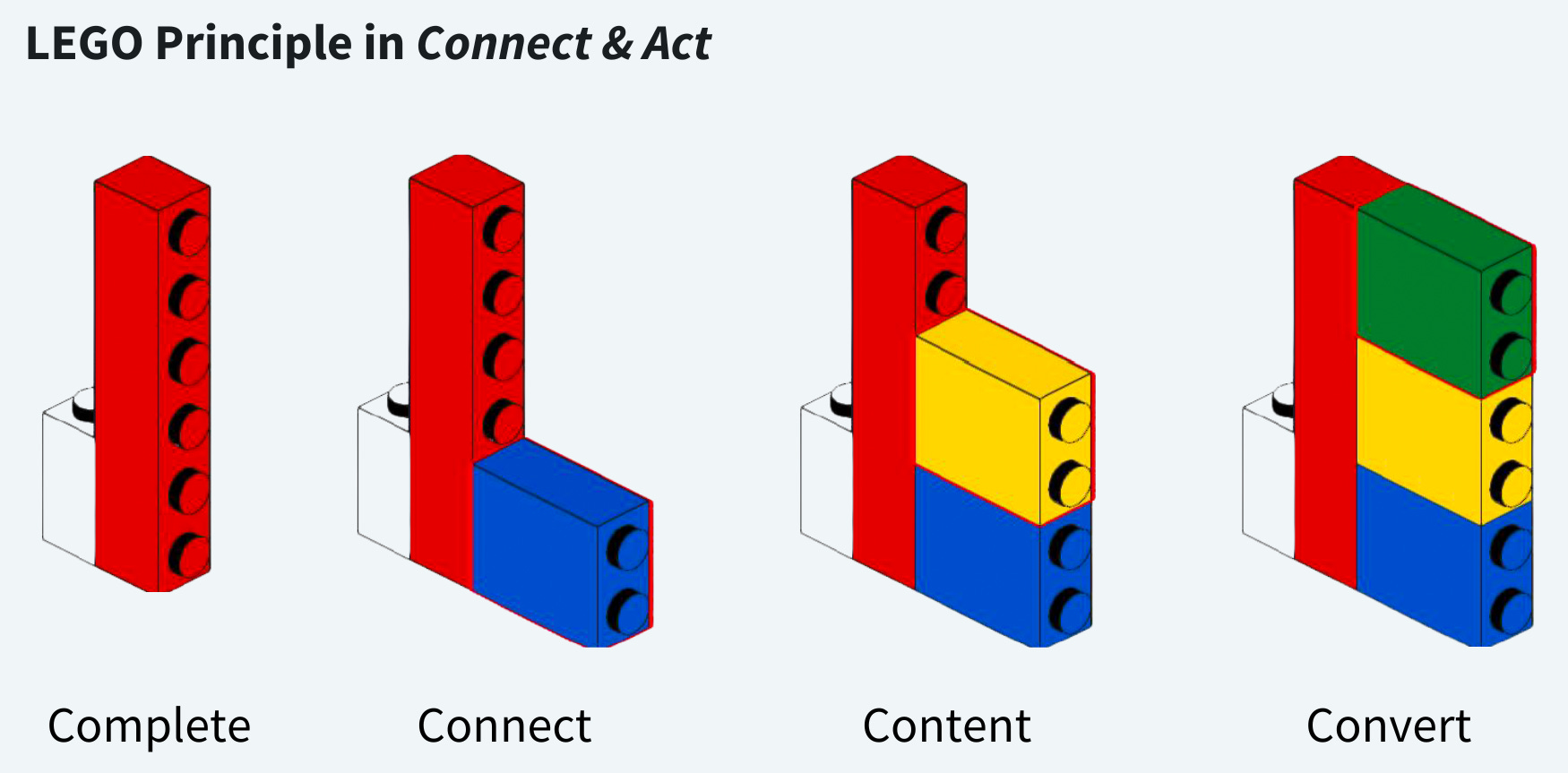
7️⃣ Apply my LEGO Framework
The principle from my book
🧱 Complete: fix and align your profile
🔗 Connect: build meaningful relationships
✍️ Content: share your ideas and progress
💡 Convert: turn visibility into readers, clients, or speaking invites
Repeat this rhythm as the author’s equivalent of compound interest.
🧩 Case Study: From LinkedIn to Bestseller
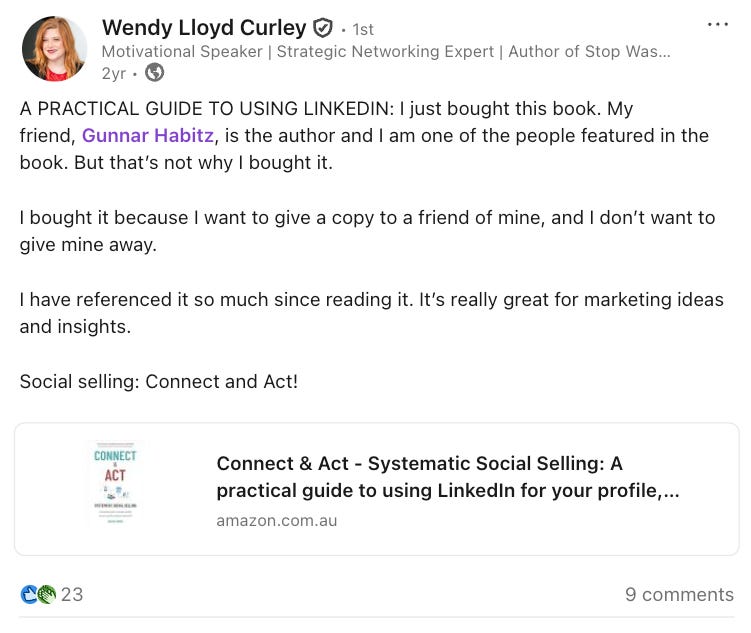
When I published Connect & Act, I invited 31 contributors, most of them I found through LinkedIn. Including my cover designer Josefina and myself we were 33 collaborators (the highest degree in… do you know where?).
They reshared the event, tagged me in posts, and within days the book reached Amazon Bestseller status, entirely through organic engagement.
That’s the magic of earned media: real people talking about your work because they believe in it.
☕ Closing Thought
Your book might live on Amazon but its audience lives on LinkedIn.
And for fiction books or those authors with books more relevant for Facebook, Instagram or TikTok: you can apply a lot of what I wrote above as well.
….
This is a Guest Post from long-time Online Writing Club member and friend Gunnar Habitz.
Share the 💖and support Gunnar and his message for all authors to finally taking advantage of LinkedIn.
Writing on LinkedIn? Share your link with us. Gunnar will share ideas from his own experience, and LinkedIn pro Melanie might add some priceless pointers.
 | A guest post by
|
Thank you so much for our collaboration, Kristina!
Great tips Gunnar! I published my book in December of 2025 and wasn’t active at all on LinkedIn at the time. What tips do you recommend for authors like me who missed the “behind the scenes” window?