



If you’ve been following me for a while, you know I LOVE bringing behind-the-scenes publishing stories to the readers to one of the largest active writing communities on the internet,The Online Writing Club, and our podcast… because honestly, you don’t know what you don’t know when you’re starting out.
Especially when you see the publishing industry shifting under our feet faster than ever.
For most of us on the outside, what happens at a big industry event feels like one giant mystery:
What are publishers ACTUALLY talking about right now?
Is AI really coming for our writing?
Where are readers even hiding these days?
How do authors find an audience when nobody seems to read for fun anymore?
And maybe the biggest question of all:
“Where do I, a writer building something online, fit into all of this?”
That’s exactly why I loved today’s conversation with podcast guest Jen Baxter ✒️ copywriter, former insider at the hybrid publisher Scribe Media in Austin, and the writer behind The Skillful Scribbler | Jen Baxter Substack.
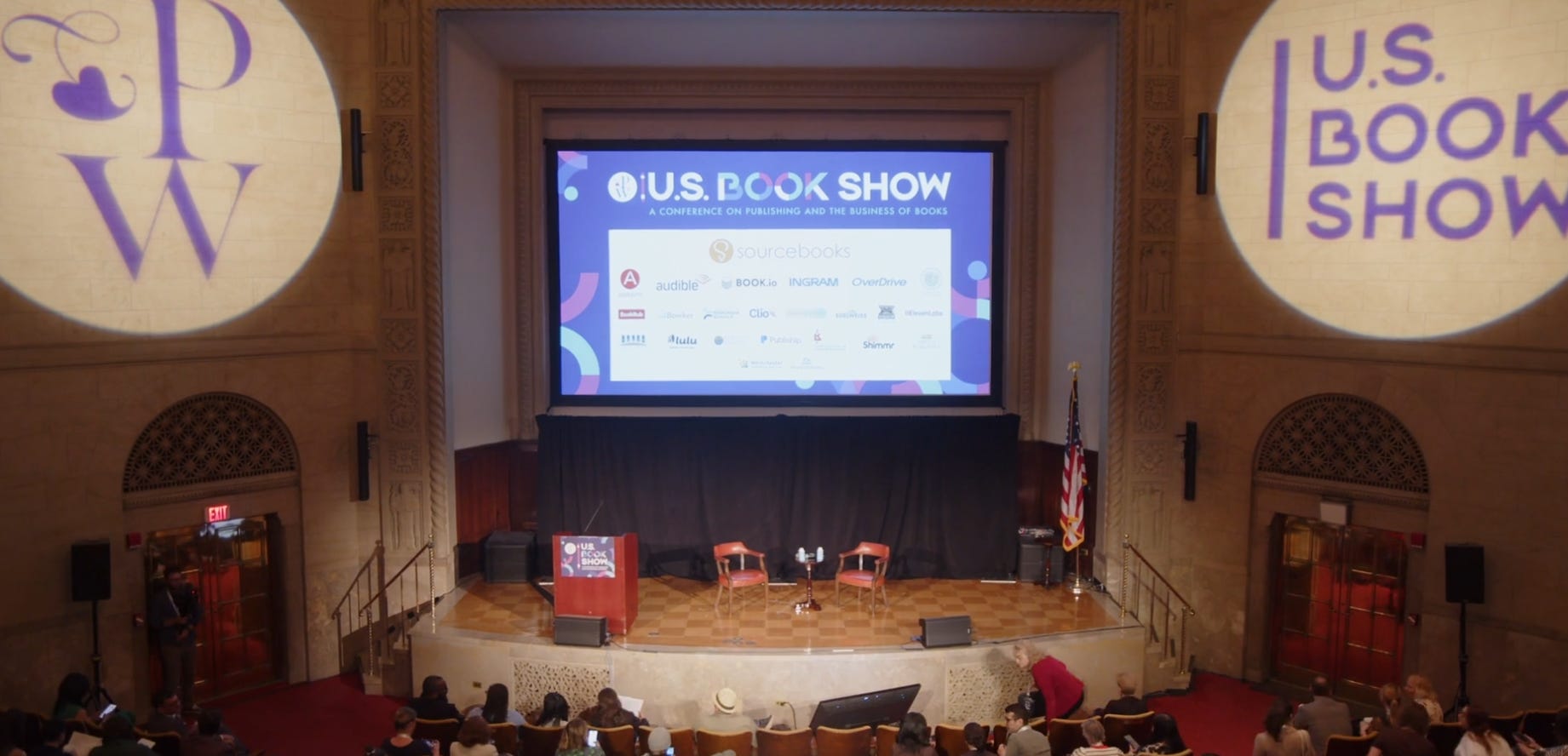
Because while I was sitting in Germany (I would have had to fly to New York City for this one!), Jen was walking the floor of the U.S. Book Show, the Publishers Weekly industry event where hybrid and traditional publishers come together to talk about what’s actually happening inside the industry today.
And she came back with GOLD.
☀️ Limited-time only: Join the Club as an annual member + get FREE access to the Substack for Beginners Course this summer!
Commit yourself, learn and grow together!
On-demand trainings + live classes. Our next LIVE class is on Friday.
Friday, June 19
2pm CEST · 1pm BST · 8am ET · 5am PT

You can meet Jen for our upcoming Author Summer Summit in July 2026. Stay tuned and be the first to grab your ticket.
Jen said it best:
“Book people are great people, so I just want to say that, too.”
Passionate about books, passionate about reading, and they actually like the people in the halls, that was the energy she walked into.
But underneath this, there were two huge conversations rumbling through every panel and once you see them, you can’t unsee them.
So in our conversation Jen peels back the curtain on the 7 things that stuck with her the most.
7 Things I Learned at the U.S. Book Show
1. Reading is becoming SOCIAL again (the analog renaissance is real)
This was the one that genuinely excited me. Because of all the AI noise, people are quietly craving analog. As Jen put it:
“We’re in the age of the newsletter right now, the art of the newsletter.”
Reading communities and reading events are having a MOMENT. Jen met someone who runs a company called Reading Rhymes, he’d just gathered something like 1,500–2,000 people in Bryant Park in New York, where everyone showed up with whatever book they wanted, sat on the grass, read together, and then talked about it afterward.

And the second she got home to Austin? An ad popped up for a brand-new spot called The Analog Room. You walk in, they take your phone and lock it in a box, hand you the key, and you read for an hour, then there’s wine and cheese and conversation.
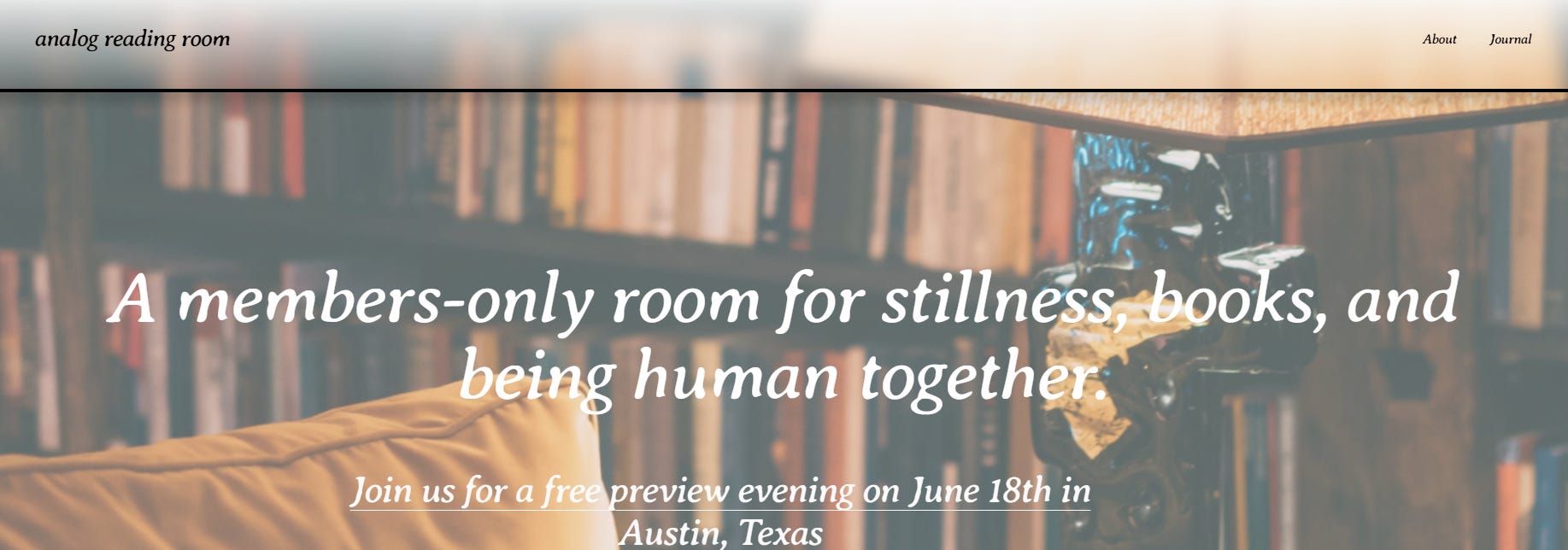
This event is happening today! Some people would call this retro. I don’t. I call it a renaissance.
As Jen said, it all comes back to a very basic human need:
“We all need a sense of belonging and our sense of belonging has been kind of shattered in the last five years since COVID.”
2. The power is shifting, toward YOU, the writer
For decades, a small group of tastemakers in New York and the Big Five publishers decided what books we read. That’s changing fast.
“The power and influence is shifting quite a bit from having sort of tastemakers in New York with the big five publishing companies deciding what books we read… to now authors thinking more like entrepreneurs, because they have all these tools that will help them have a direct relationship with their readers.”
And then the line I keep coming back to:
“So that can either be overwhelming to you or that can be exciting to you.”
I choose exciting. And the people who do this best? Romance writers. As Jen said:
“Romance writers are amazing writers at… building a brand.”
You know the book from the cover, you know the characters, and you have readers who are completely dialed in and waiting for the next one. We could ALL learn from them, which is exactly why building your own community (on Substack), your own garden, matters so much.
3. There are actually TWO AI conversations (don’t confuse them)
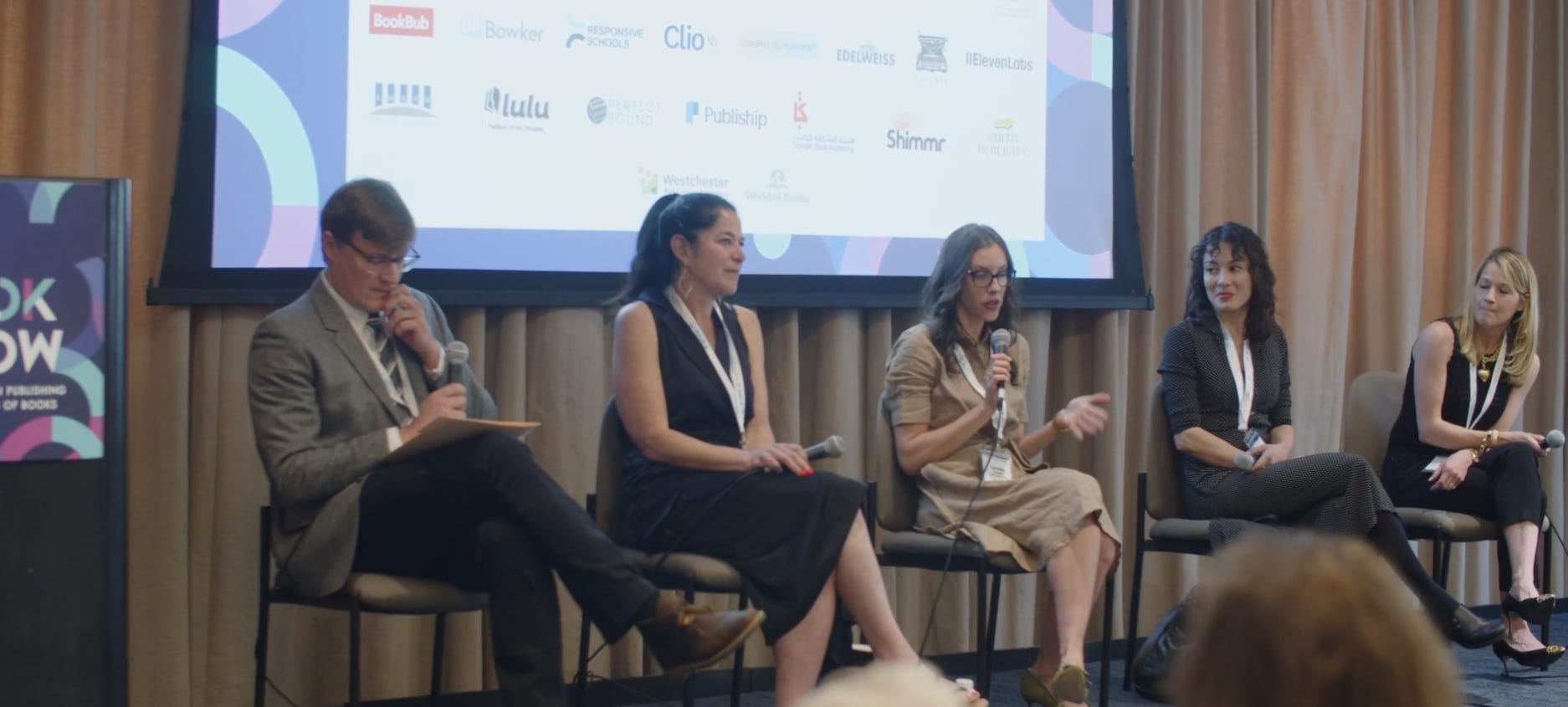
This was such a clarifying takeaway. Jen said she walked away from the show realizing:
“There’s really two big conversations happening.”
AI in the creative process (writing and editing the actual books). Everyone basically tiptoed around this.
AI on the back end of publishing (search, discoverability, operations). Here, people are leaning ALL the way in, because there are so many genuinely useful cases.
So when you hear “publishers are using AI,” ask which AI conversation they mean. They’re not the same thing.
4. Stop being data-driven” Start being “data-informed”
Data-driven treats your readers like consumers of a product. Data-informed is the opposite:
“Data informed is really looking at people’s behaviors, what they buy, what they read, what they tell their friends about.”
For us as online writers, this is everything.
Are people replying to your emails?
Leaving comments?
Jumping into your chat?
That behavior is telling you who your readers are and what they actually want from you.
5. SEO is becoming GEO, learn to write for AI search
One of the most technical (and most important) panels was about the shift from SEO to GEO, from optimizing for Google to optimizing for how people search inside ChatGPT and Claude.
The big lesson: don’t keyword-STUFF anymore (as in my 20s for Edelman where the Edelman Digital team handed me a keyoword list and said: “we need these keywords 5-10x in this post”. Instead, find the phrases that capture who you are and your work and use them consistently in every single place: your author website, your Substack description, your Amazon page.
As Jen explained it, you want to make sure those phrases…
“…shows up the same in each place, because now AI will track that.”
💡Want to know wheter AI know what you do and who you are? Go into one of the AI assistance and asks who can help with topic x. Topic is should be your topic. You’re not showing up after a few prompts or even asking about this specific person to help? you’ve got some work to do.
When your message is consistent everywhere, AI picks it up and serves the right you to the right readers. (Funny enough, I learned a version of this three years ago from a Google expert who told me my Knowledge Panel worked the same way. He was just early.)

6. We have a literacy problem and it’s partly our job to fix it
This one made me a little sad as I have two kids in the house.
“Reading for pleasure is down 40% in the last 20 years.”
Add in book banning in schools, and there’s a lot going on with literacy. Publishers feel it too. Hachette was handing out tips and tools for reading WITH kids, basically asking parents to help raise the next generation of readers.
Because here’s the hard math for every author and marketer:
Fewer people reading for pleasure + more books than ever = you HAVE to cultivate your own community of readers. It’s survival and it’s also kind of beautiful.
7. Polished and corporate is OUT. Personal is IN
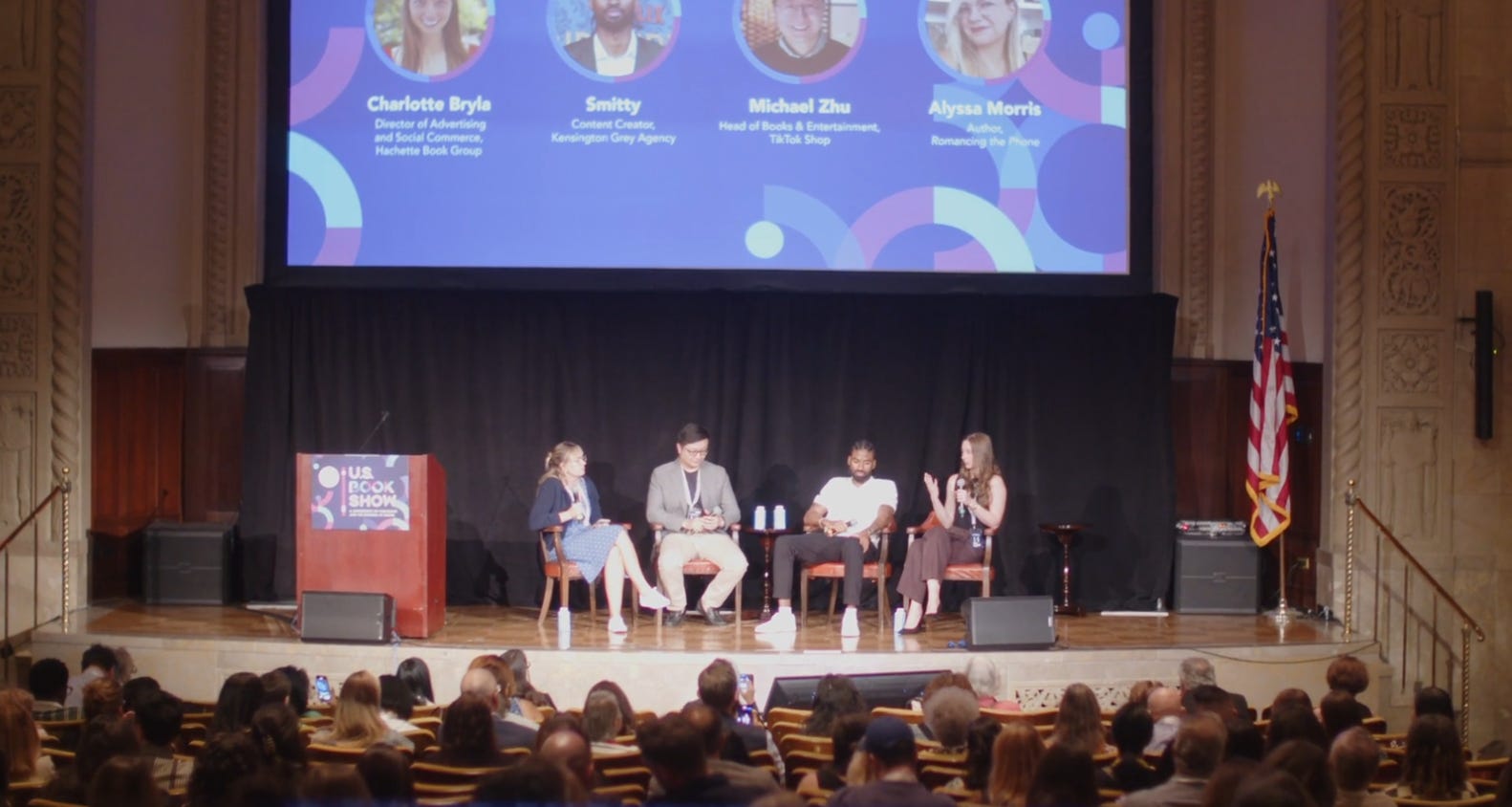
Reading is social again, and the same thing is happening with content everywhere. People don’t want to be sold to all the time, we’re all over that. They want to feel like your newsletter is a letter to a friend. Which leads me straight into Jen’s tips…
☀️ Limited-time only: Join the Club as an annual member + get FREE access to the Substack for Beginners Course this summer to become a SUPERSTAR! On-demand trainings + live classes.
Jen’s top 3 copywriting tips you can use THIS week
Because Jen is an actual copywriter (she even knows the legendary Laura Belgray who you can use in October inside the Club for a LIVE conversation), I asked her for tips we can use immediately to make our newsletters and promo emails stronger.
1. Lead with a personal story
“Your personal stories are always the biggest hug.”
Don’t run to ChatGPT or Claude and say “write me a promo email.”
“You do the thinking. You are the person and that’s what people connect with.”
Tell a real story that pulls people in, then make a natural segue to the thing you’re sharing or selling. (Yes, the Laura Belgray “tuna sandwich” method.)
2. Obsess over your subject lines
“Your subject lines really matter.”
Our inboxes are crowded, and the subject line is what stands out. If you’re going to use AI here, use it well: run your headlines through a free headline analyzer.
People can’t love your writing if they never open the email.

3. Develop a consistent voice and sign-off.
Jen described hers as a “down-to-earth, writer-to-writer friend.” And on the sign-off:
“Having a nice, consistent sign off and something that’s personal really makes it feel like a letter to a friend.”
One bonus mindset shift on AI that I adored. Jen’s whole philosophy when authors finally embrace it:
“If we’re going to do it, let’s get the paid version, use it well, make it a thought partner and train it on your body of work.”
Most people now ask AI “what kind of writer am I?” The real power is to flip it and tell AI who you are. But for that… you have to actually write.
The new Substack tools
Because Jen and I are both deep in Substack, we also nerded out over the new community features rolling out, reply rules (set the house rules for your space, with automatic moderation that learns your boundaries over time), beefed-up tiers and subscriber perks, the chat, direct messages, and the email templates at the bottom of your posts.
My one big nudge:
turn on your chat button from day one, the same way I tell everyone to turn on the paid button from day one.
On a recent live, about 80% of people said they DIDN’T have their chat on.
You want an actual conversation with your people, the chat is your living room, the DMs are a walk in the garden, and that’s where the real connection (and real feedback) happens.
👉🏻Visit my YouTube channel for all the tutorials. Make sure to subscribe to stay on top of things.

Everything I’m talking about we also discuss every Friday in our inner circle of the Club. Join us today and let’s meet tomorrow! No more guessing. Learn with a true bestseller and someone who helps thousands of people get on the platform, be successful in their niche and earn money.
I’d LOVE to hear from YOU:
Which of these 7 shifts surprised you the most?
Are you building a reader community yet — or still shouting into the void?
Have you turned on your chat button?
And what’s your writing dream for 2026?


